

 See My Latest Article on HelloNation
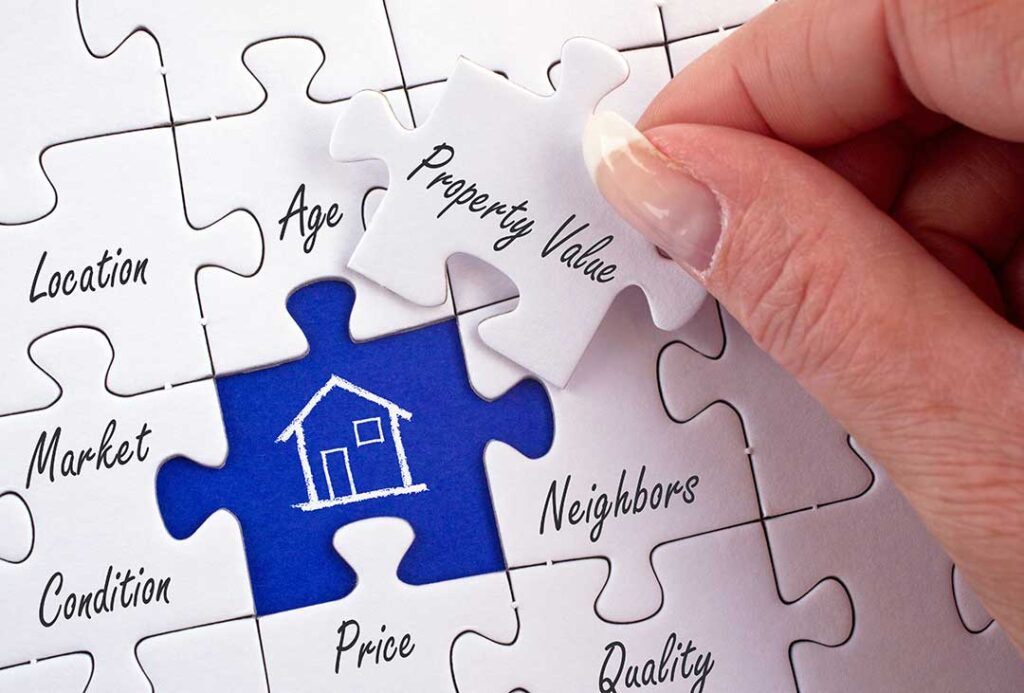
What neighborhood features tend to support property value?
In Evanston, IL, property value is influenced by more than the condition of an individual house. Buyers also evaluate how easily they can move around, reach daily necessities, enjoy outdoor space, and manage ordinary household routines.
The most durable neighborhood advantages usually include:
- Convenient access to public transportation
- Walkable routes to parks, schools, shopping, and community facilities
- Well-maintained streets, sidewalks, trees, and public spaces
- Proximity to the lakefront and recreational areas
- A stable mix of housing types and neighborhood uses
- Infrastructure that handles rain, snow, and seasonal changes reasonably well
- Distinctive architecture or historic character that is carefully preserved
These features do not guarantee a particular sale price. Property value still depends on the home’s size, condition, lot, taxes, layout, parking, and current market conditions. However, neighborhood qualities can broaden the pool of interested buyers and help a property remain appealing over time.
Does walkability increase property value?
Walkability can support value because it gives households more choices in how they complete everyday activities. A home near sidewalks, parks, transit, schools, grocery options, and other routine destinations may appeal to people who want to drive less or avoid depending on a car for every trip.
In Evanston, walkability varies by neighborhood. Some areas place residents near rail stations, commercial corridors, schools, and the lakefront, while other sections are more dependent on driving. The difference can affect how buyers compare otherwise similar homes.
Walkability is not simply a matter of distance. Buyers also notice:
- Sidewalk continuity and condition
- Safe street crossings
- Lighting and visibility
- Winter snow and ice management
- Traffic speed and street design
- Whether routes are comfortable for children, older adults, and people using mobility devices
A home may be close to a destination on a map but feel less convenient if the route requires crossing a busy street, lacks sidewalks, or becomes difficult during winter weather.
How does public transportation affect home value?
Reliable transportation access can make a neighborhood more useful to a wider range of households. Homes near rail stations or frequent bus routes may attract residents who commute, attend school, travel without a car, or want a backup option when driving is inconvenient.
Transit access can also influence household budgets. A buyer may place greater value on a home where one car, rather than two, is practical. That benefit is especially relevant in a relatively dense community with a mix of apartments, condominiums, two-flats, and detached houses.
The value effect is not identical for every property. A home directly beside a busy station may experience noise, congestion, or limited parking. A property within a comfortable walking distance may receive the convenience benefits without experiencing all of the drawbacks.
Buyers often consider the full transportation picture:
- Walking time to a station or bus stop
- Frequency and reliability of service
- Availability of sidewalks and safe crossings
- Street parking and garage access
- Traffic patterns during school and commute hours
- Whether the route remains practical in snow, rain, and extreme temperatures
Does access to parks and the lakefront matter?
Nearby green space can contribute to property value by providing opportunities for exercise, recreation, relaxation, and social activity. Public parks, beaches, athletic fields, trails, and landscaped open areas can make a neighborhood feel more livable without requiring homeowners to maintain all of that space themselves.
The lakefront is a particularly distinctive feature of Evanston. Its value is not limited to homes with direct water views. Residents may also value reasonable access to beaches, walking paths, open lawns, and scenic areas.
Still, proximity is not the same as guaranteed premium value. A home near the lake may also face stronger winds, moisture exposure, heavy seasonal use, or higher maintenance needs for exterior materials. Buyers may weigh the benefits of access against practical concerns such as drainage, basement conditions, and the long-term care of roofs, masonry, windows, and landscaping.
Trees and smaller parks matter as well. Mature street trees can provide shade, visual appeal, habitat, and some relief from summer heat. They can also create maintenance responsibilities, including pruning, leaf removal, and occasional sidewalk repairs from root growth.
Can neighborhood appearance affect property value?
A well-kept public environment often reinforces buyer confidence. Consistent maintenance of sidewalks, curbs, public landscaping, lighting, and streets can make a neighborhood feel stable and cared for.
Individual homeowners cannot control every public improvement, but visible neighborhood conditions influence how people interpret risk. Buyers may ask whether streets flood after heavy storms, whether sidewalks are passable in winter, and whether vacant or deteriorated properties are becoming common.
Architectural character can also matter. Evanston contains a broad range of older housing, including vintage apartment buildings, two-flats, bungalows, and architecturally distinctive single-family homes. A neighborhood with recognizable character may attract buyers who value craftsmanship, mature streetscapes, and layouts that differ from newer construction.
Historic character does not automatically increase value. Restrictions, renovation costs, outdated systems, and energy-efficiency challenges can affect affordability. The strongest appeal usually comes when distinctive design is paired with sound maintenance and reasonable functionality.
How do schools and community facilities influence value?
Schools are a major consideration for many households, although their effect varies by buyer and by specific attendance boundaries. Buyers may also consider libraries, recreation facilities, cultural spaces, health services, and public meeting areas.
A common misconception is that proximity alone determines value. A property’s relationship to these facilities matters more than simple distance. Buyers may look at walking routes, traffic, enrollment conditions, boundary lines, noise, and the condition of nearby public spaces.
Community facilities can support value even for households without children. They may contribute to neighborhood activity, convenience, and a stronger sense of place. However, overly intense activity, event traffic, noise, or parking pressure can reduce appeal for some nearby properties.
Does neighborhood density affect property value?
Density can be either an advantage or a drawback, depending on how it is managed. Moderate density may support walkability, transit service, and nearby businesses. It can also create a wider range of housing choices, from apartments and condominiums to larger homes.
Higher density may bring concerns about traffic, parking, construction activity, privacy, and shadows. Lower density may offer more quiet and open space but can require longer trips for errands and make transit service less frequent.
For property value, the practical question is often whether the neighborhood’s pattern fits current and future household needs. A well-connected area with a thoughtful mix of housing can remain attractive because it serves people at different life stages.
Can drainage and infrastructure affect property value?
Infrastructure is an overlooked neighborhood feature, especially in older communities. Heavy rain can expose weaknesses in stormwater systems, grading, foundation drainage, and basement construction. In Evanston, some properties may experience basement seepage, sewer backups, or localized flooding during intense storms.
Buyers should distinguish between a neighborhood-wide issue and a problem limited to one property. Useful questions include:
- Has the basement experienced water entry or backups?
- How does the street drain after a major storm?
- Are downspouts directed away from the foundation?
- Is there a sump pump and backup protection?
- Have nearby sidewalks, streets, or sewer lines been repaired?
- Does the property sit near a low point or drainage route?
Climate and seasonal conditions also affect roofs, masonry, windows, trees, pavement, and exterior paint. Neighborhoods with dependable infrastructure may be more resilient, while properties with unresolved water or maintenance issues can lose value even when located in an otherwise desirable area.
Which neighborhood features are most durable?
The features most likely to support long-term appeal are those that serve many types of households: safe and connected streets, useful transit, attractive public spaces, reliable infrastructure, and access to recreation and daily necessities.
Views, trendy development, or unusually high demand can change more quickly. A neighborhood’s deeper value usually comes from practical convenience and a strong physical setting.
For homeowners and buyers, the most useful approach is to evaluate the entire environment rather than focusing only on a house’s interior. Visit at different times of day, observe conditions after rain or snow, test common walking routes, and consider how the area may function several years from now. A property’s value is shaped not only by what stands on its lot, but also by the everyday experience created by the surrounding neighborhood.